

Useful answers before you call.
Questions about identification, property transactions, treatment, management plans, guarantees, development sites and other invasive plants.
Identification & first steps
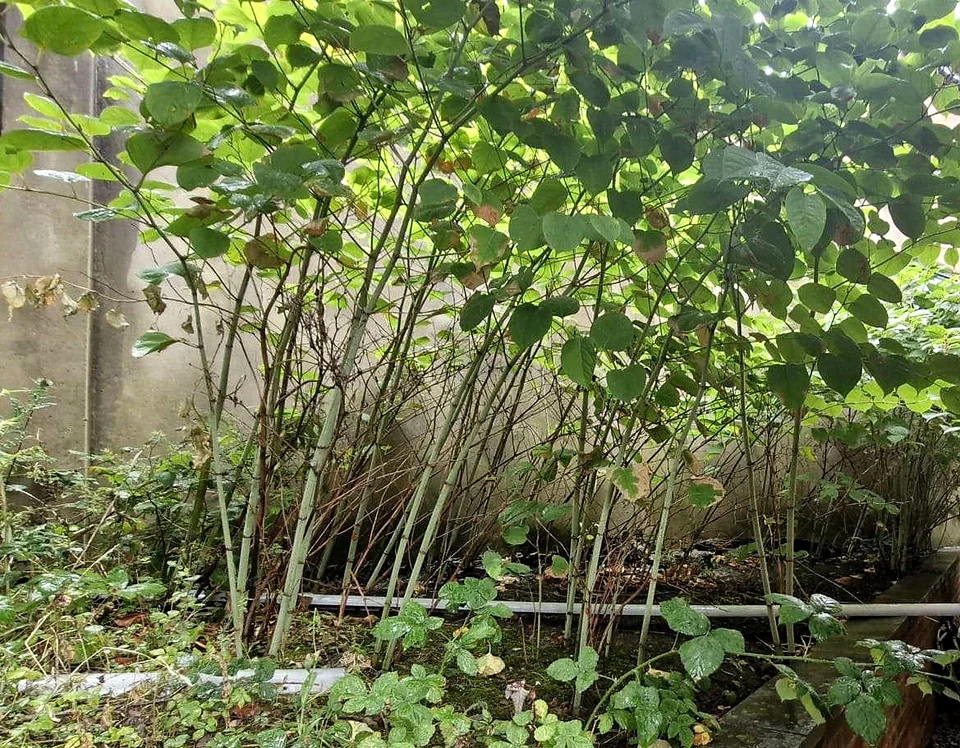
Can you identify a plant from a photo?
Send clear photographs of the leaves, stems and wider patch. We offer an initial photo identification at no charge, although a site visit may still be needed for a formal survey.
What information should I send with an enquiry?
The site location, clear photographs, what you know about the plant, whether the site is residential or commercial, and any sale, mortgage, development or construction deadline are all useful.
Send the site address or postcode, clear photographs, access details and any sale or works deadline. Tell us about nearby water, existing reports and the documents you need.
Do you only treat Japanese knotweed?
No. We also work with other invasive plants including giant hogweed and Himalayan balsam. See our Other invasive plants page for more information.
Property & mortgages
Can you help if I’m buying or selling a property?
Yes. We can survey suspected Japanese knotweed and prepare a management plan to support a property transaction. Your solicitor or lender can confirm the documents and guarantee terms required for your particular case.
Can you provide documents for a mortgage lender?
We can prepare professional surveys and management plans for property transactions. Requirements vary, so the buyer or seller should confirm any specific lender or solicitor requirements for the case.
Do you provide insurance backed guarantees?
Insurance backed guarantees may be available for agreed 5 or 10 year plans. We can explain the available option when the scope of work is agreed.
Treatment & surveys
How long does treatment take?
It depends on the extent of the growth and the chosen method. Herbicide treatment commonly requires more than one growing season, with follow-up monitoring agreed in the management plan.
What happens during a survey?
We inspect the accessible site, identify visible invasive plant growth, consider relevant constraints and record the information needed for the report or management plan. The exact scope depends on the purpose of the survey.
What is a Japanese knotweed management plan?
A management plan records the known infestation, relevant site constraints, the proposed treatment or management approach, monitoring and the documentation needed to manage the issue over time.
Land, development & water
Do you work on brownfield and development sites?
Yes. We can survey invasive plants, document their extent and site constraints, prepare management plans and provide targeted treatment and monitoring around a development programme. See Land & Development.
Do you work near rivers and watercourses?
Yes. Water-adjacent sites are a particular area of experience. We assess the site and choose an appropriate method, taking account of the water environment and any permissions that may be required. See Rivers & Watercourses.
Coverage & Derby Knotweed
Do you only work in Derbyshire?
No. We are based in Derbyshire and work across the Midlands and further afield. National work can also be considered, with travel reflected in the scope and quotation.
Booking and assessment
How do I choose an assessment?
Free photo identification is a first step. An inspection starts from £200; a survey with an agreed report starts from £300. Tell us what decision or document you need.
What is needed for a quotation?
An inspection is required before quoting for a ten-year plan, barrier membranes or excavation. Photos help us prepare but do not replace that inspection.
How often do you visit?
Treatment visits are every four weeks during the treatment season. The site programme determines timing and suitable work; monitoring forms part of management plans.
What about booking and deposits?
Deposits are required before booking. We confirm the scope, deposit and applicable terms before you commit.
Tell us about the site.
Send photographs and a short description and we will help you work out the next step.